What actually happened
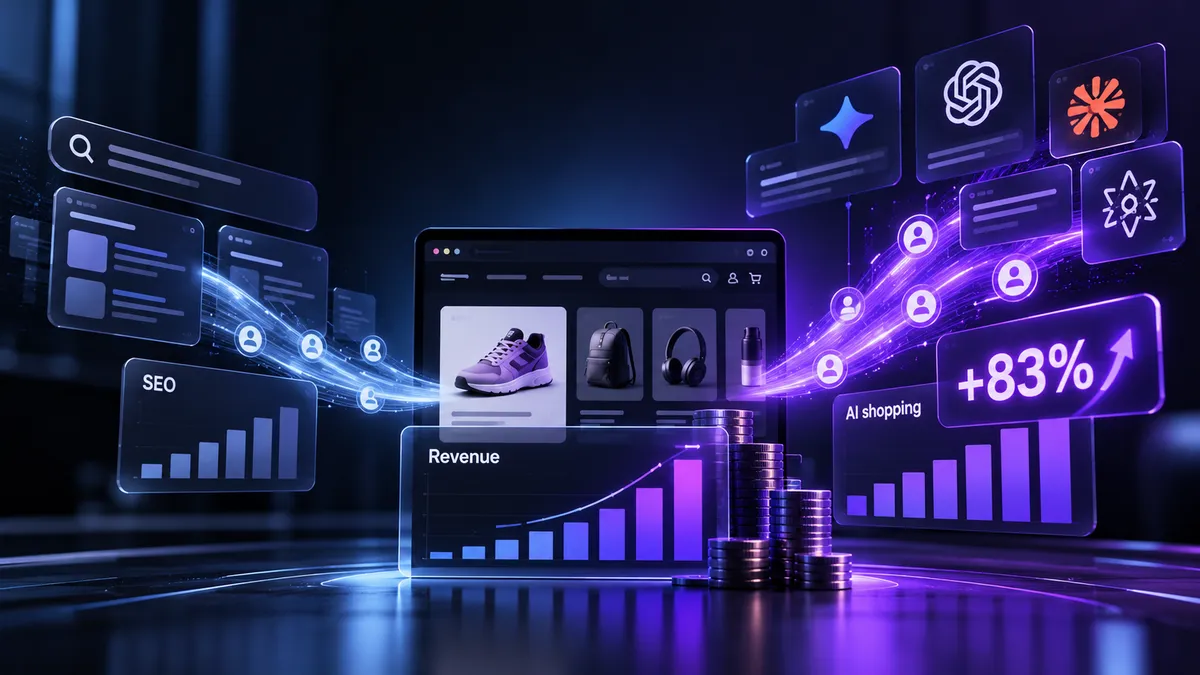
Adobe reported on October 29 that shoppers arriving at US retail sites from AI assistants delivered 83% more revenue per visit than visitors from other channels in September 2026. Their purchase conversion rate was 90% higher, they spent 73% longer on site and they added items to carts at a 53% higher rate. Adobe also measured a 71% year-over-year increase in AI referral traffic.
The results come from Adobe's analysis of direct transactions in a wider dataset spanning more than one trillion visits to US retail sites, 100 million products and 18 categories. The September performance figures compare AI-referred visits with non-AI visits, including search, email and social. They are relative differences, not absolute conversion rates or shares of revenue.
Adobe also argues that pages with useful descriptions, troubleshooting material and buying information are easier for AI systems to understand and cite. That is a plausible content priority, but its readability metric is Adobe's own measurement, not a universal ranking rule.
Why a small team cares
Imagine a small skincare store already receiving most of its qualified traffic from Google. A handful of visits from an AI shopping assistant may produce surprisingly good orders because those buyers have already narrowed their options. That makes the traffic worth measuring even if it barely moves the overall sessions graph.
The commercial question is how much revenue the channel actually contributes. Revenue per visit can look excellent while total revenue remains negligible. A store with ten AI referrals and two orders has a very different planning problem from one generating hundreds of repeatable AI-sourced purchases.
This also changes what should appear in the monthly report. Sessions alone tell you whether discovery is happening. Conversion rate, average order value and revenue per visit tell you whether the arrivals are commercially valuable. Total attributed revenue tells you whether they deserve time or budget.
Hype vs useful
The study does not show that AI assistants have become a bigger source of sales than organic search. Adobe does not disclose their share of overall retail visits or revenue in this report. It is also a US retail measurement, not evidence that every European store will see the same numbers.
People who click from an assistant may already be further into their purchase decision. The higher conversion rate does not prove that AI caused the improvement.
For a retailer, the practical win is better measurement plus clearer product information. Keep investing in SEO that produces customers. Add AI referrals to the report so a promising small channel is visible without mistaking it for the whole business.