Imagine you're buying a pair of running shoes online. You find the model you want for €120, but decide to think about it. When you return to the store later, the price has increased to €135.
You might assume there's been a price adjustment or a promotion has ended. But what if the store's AI system has simply decided that you're particularly interested in those shoes and probably willing to pay more?
That's the uncomfortable side of AI-powered pricing. Businesses have always adjusted prices to improve margins, but increasingly sophisticated algorithms can take this much further. And customers are starting to question how those decisions are being made.
What actually happened
The Associated Press reports growing concerns about the use of AI and customer data in retail pricing. The technology allows businesses to analyze purchasing patterns, predict demand and make increasingly precise pricing decisions.
Some of these applications are fairly conventional. Airlines and hotels have used dynamic pricing for years, and retailers regularly adjust prices based on demand, inventory or competitors.
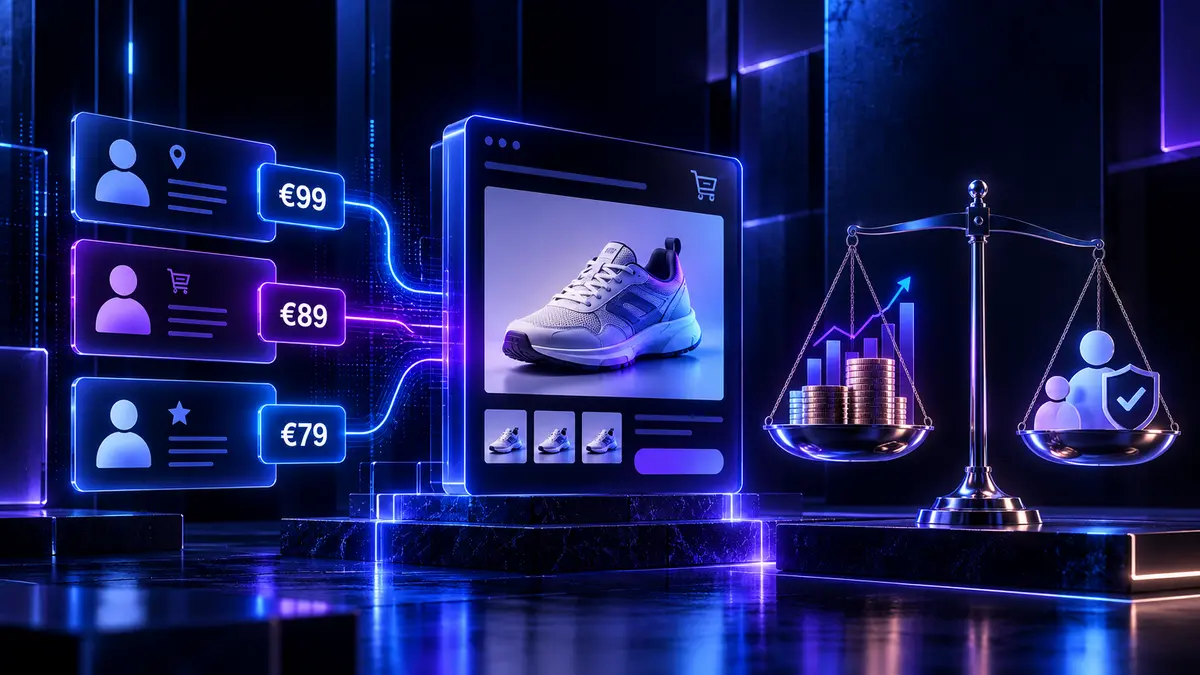
Personalized pricing introduces another dimension. Instead of determining the price of a product based primarily on market conditions, businesses can use information about individual shoppers to influence what they're charged or which discounts they receive.
That raises questions about transparency and fairness, particularly when customers have no idea their personal information is influencing the price. US regulators are paying attention, and several states have introduced restrictions on certain personalized pricing practices.
Why a small team cares
Consider a Shopify store selling sports equipment. The owner has hundreds of products, suppliers regularly change their prices, and seasonal inventory needs to be cleared before new collections arrive.
AI could be genuinely useful here. It could identify products that aren't selling, highlight opportunities to increase margins and suggest discounts based on stock levels and historical demand.
For example, if a particular running shoe has been sitting in the warehouse for three months, an AI system could recommend reducing its price from €119 to €99. That's a reasonable business decision, and it's easy to explain.
Now imagine the same system notices that a returning visitor has checked that shoe five times. It estimates their willingness to pay and increases the price specifically for them. Even if that results in a more profitable sale, I'd question whether it's worth doing.
A small retailer depends heavily on repeat customers, positive reviews and recommendations. If people start feeling that the shop is using their personal information to extract the maximum possible amount from them, the damage could easily outweigh the additional margin.
Hype vs useful
I wouldn't avoid AI pricing tools because of this news. There's plenty of value in using better data to make smarter pricing decisions.
The distinction I'd make is between optimizing the price of a product and optimizing how much you can charge a particular person. For smaller retailers, I'd prioritize the first.
Use AI to understand your margins, react to competitors, manage inventory and identify when discounts make commercial sense. Keep clear rules around automatic price changes and make sure someone understands what the system is doing.
And don't evaluate success purely through average order value or gross margin. If you're making an additional €5 per order but losing repeat customers, the algorithm may be improving the wrong metric.
The best pricing strategy isn't necessarily the one that gets the highest possible price today. It's the one that helps you run a profitable business that customers are happy to buy from again.