The frustrating part of AI-generated websites is rarely producing the first page. It is getting page two and page three to use the same buttons, typography, spacing and responsive behavior without another round of manual correction.
What actually happened
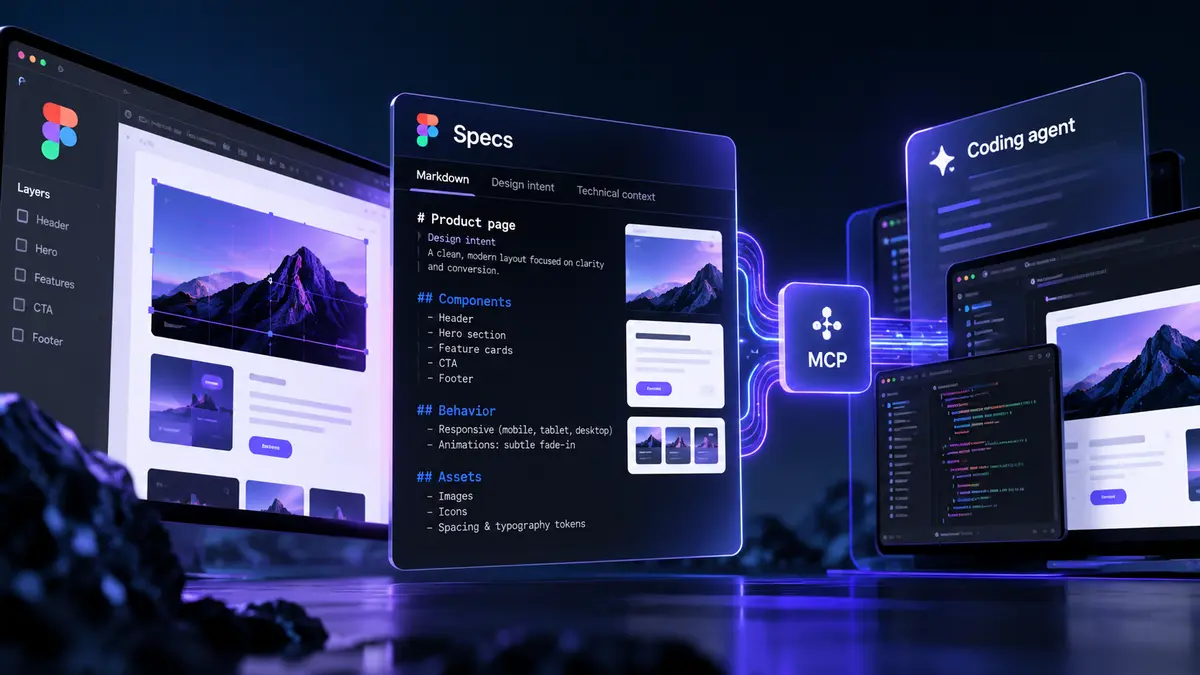
Figma introduced Specs on October 15 as a Markdown-based place for product and design context. Specs can sit on the canvas or work as a separate document, bringing written requirements together with designs, diagrams, code layers and existing references.
Figma says teams can hand that context to external coding agents through its MCP server. Existing Markdown files can be brought into Specs, and collaborators can refine the specification alongside visual work. The feature is rolling out in open beta to paid plans, so availability may vary during rollout.
Why a small team cares
Consider a web agency building a multi-page site for a local clinic. A designer has already defined the type scale, colors, form patterns and navigation. A developer then uses a coding agent to build the appointment page, service pages and contact page.
Without dependable shared context, every prompt can produce a slightly different version of the design. The homepage might use the correct button radius while the appointment flow invents a new style. Someone has to inspect the work, explain the mismatch and ask the agent to fix it.
A reusable specification could give the coding agent the same agreed rules across each task. The commercial benefit, if it holds up, is not more screenshots produced per hour. It is less rework between design approval and a deployable frontend, particularly when multiple people or agents contribute.
Hype vs useful
Markdown is not a new invention, and putting design rules into text does not guarantee better output. A vague specification remains vague even if an AI agent can read it. Likewise, a spec that references outdated components can produce confidently wrong implementations.
Figma's useful contribution is making requirements and visual references easier to keep together, then pass into the development workflow. That deserves a practical trial, not immediate standardization.
The test should use an existing design system and a representative sample of pages, not a polished demo. Track deviations in typography, spacing, component reuse and mobile behavior, along with the minutes spent correcting them. If Specs reduces those corrections without adding documentation overhead, it earns a place in the delivery process.