What actually happened
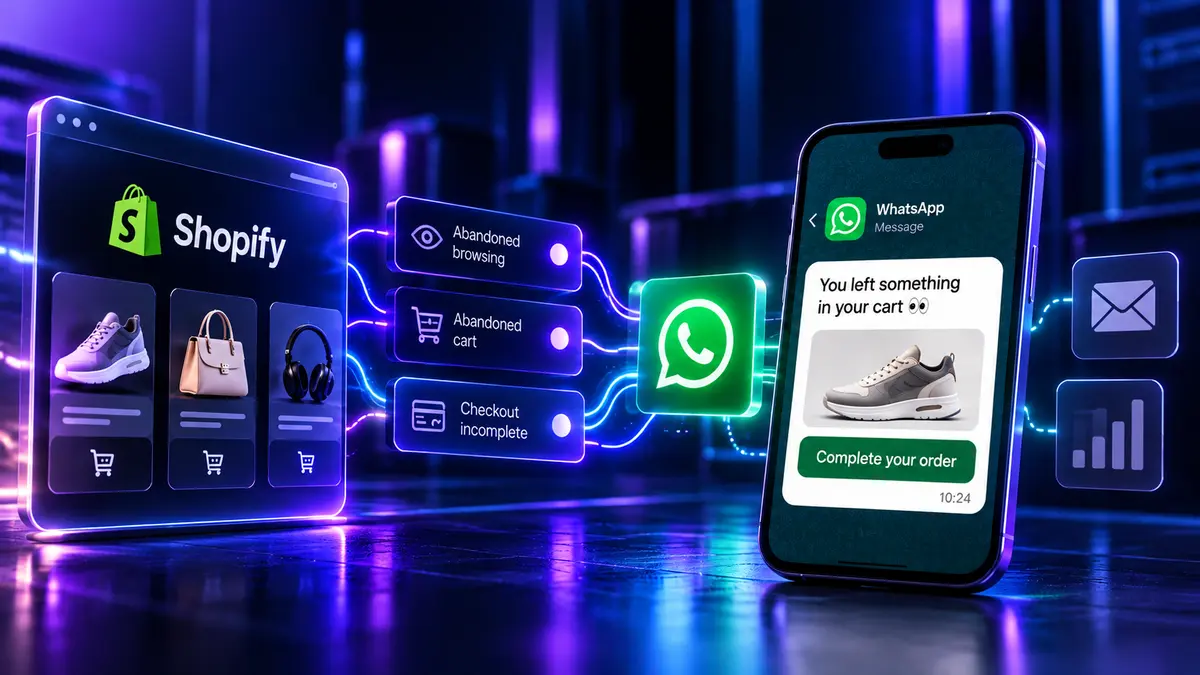
Shopify added WhatsApp marketing automation to Shopify Messaging on October 28. Merchants can use prebuilt templates for abandoned browsing, abandoned carts and abandoned checkouts, or include WhatsApp in their own automations. Setup sits under Messaging > Automations.
The practical difference is that a common recovery workflow can now live in Shopify’s own messaging setup. That can reduce the number of apps a merchant needs to connect, although the new channel still comes with its own consent, delivery and billing considerations.
Why a small team cares
Imagine a small Spanish clothing store with a steady flow of mobile shoppers. Email recovers some abandoned checkouts, but customers already use WhatsApp for delivery questions and customer service. A timely reminder could recover orders that a second email would miss.
The commercial question is straightforward: how many additional purchases does WhatsApp recover, and what does each recovery cost? Measuring all purchases attributed to the new message is not enough. Some recipients would have returned without a reminder or after an email, so overlapping recovery flows can make the result look better than it is.
WhatsApp marketing also requires valid permission. An existing phone number or an earlier customer support conversation should not be treated as blanket permission to send promotional reminders.
Hype vs useful
This is a useful addition for stores with a real WhatsApp customer base. It is not proof that WhatsApp will outperform email, and Shopify’s changelog does not establish a universal revenue uplift or universal regional availability.
I would rather see one controlled checkout-recovery test with clear attribution than a full set of browse, cart and checkout messages switched on together. If customers receive three reminders for the same abandoned purchase, the brand damage and unsubscribe rate can outweigh the extra orders.