What actually happened
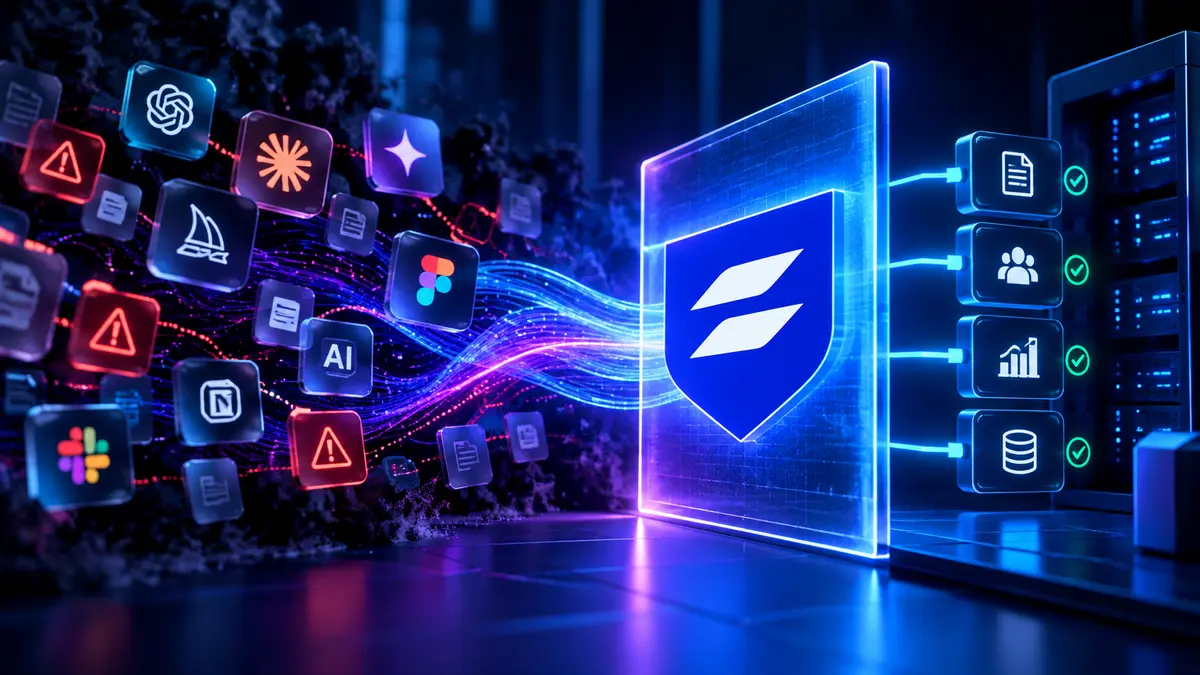
Sophos announced that AI Defense would reach general availability in October 2026 as part of its Sophos Fusion security platform. The feature is designed to identify AI applications in use, including unapproved tools commonly called shadow AI, and bring that activity under security policies. It adds visibility and risk reporting alongside controls over access and exposure. The company's documentation published in October explains how administrators can generate an AI risk assessment report showing observed tools, high-risk use and unsanctioned activity.
Availability has an important qualification. Sophos documents AI Defense as available to Fusion accounts upgraded to the new platform with Security Operations. Setup relies on appropriate Sophos sensors, which can include Endpoint, Firewall and Linux Server, and the administrator creates a first policy after onboarding. It is not accurate to describe the feature as a standalone switch available to every small business. Nor does a single launch date prove that every customer's account already has access.
Why a small team cares
Consider a 20-person marketing agency. One employee uses an AI meeting assistant, another connects a writing agent to shared documents, and someone else grants a browser extension access to email so it can draft replies. Each tool may solve a genuine work problem. Over time, however, permissions accumulate across personal logins, client folders and shared accounts. The agency may no longer know which external systems can read or change sensitive information.
The business risk is most visible in third-party app permissions. An AI assistant authorized to read a calendar is different from an agent allowed to search every mailbox, export CRM contacts or modify shared client files. A vendor can offer secure infrastructure while an unnecessary permission still exposes more data than the job requires. If a former contractor's integration remains connected, the risk can persist after the person loses normal workspace access.
A practical audit starts with four questions: which AI tools are used, who approved them, what data each can reach and who owns their removal. Microsoft 365 and Google Workspace administrators can inspect app consent and third-party access. CRM owners can check marketplace integrations and API tokens. Automation administrators can review connected credentials and agent actions. This inventory is a manageable job for a small company because it focuses on access paths, rather than attempting to ban every experimental tool.
Record the application, the staff owner, the connected system, granted scopes and a business reason. Pay particular attention to integrations that can read customer records, send messages, export datasets or modify files. For each connection, decide whether its access is still needed and whether narrower permissions or a service account are possible. An approval process can be simple: the person proposing a new tool states its purpose, data access and responsible owner before the connection is authorized.
Hype vs useful
Sophos offers a more centralized way to discover and govern AI usage where its existing security sensors and policies are in place. That can improve visibility, particularly when employees have adopted tools without notifying IT. But visibility is not the same as a complete picture of every external permission. Security teams still need identity and SaaS permission reviews, and risk classification does not replace a decision about whether a specific workflow is appropriate.
For a 5-50 person business, a new security product adds licenses, configuration work and responsibility for monitoring alerts. That investment can be justified when AI usage is extensive and the company already operates Sophos Fusion. It is difficult to justify purely on the basis of a product announcement when the business has not yet reviewed its existing connections or defined acceptable data access.
My assessment is to change the access-review process now and treat Sophos AI Defense as a conditional implementation option. A business should be able to answer who connected each AI tool, what it can reach and how to disconnect it. That simple operational control matters before the dashboard, whatever security vendor provides it.