What actually happened
Meta says more than 10 million people in the US and Canada set up its Muse personal agents during the early weeks after launch. Its October investor disclosures identify shopping as the leading activity, with more than a quarter of weekly active users using Muse for shopping. Muse can research products and, with user approval, take purchase actions.
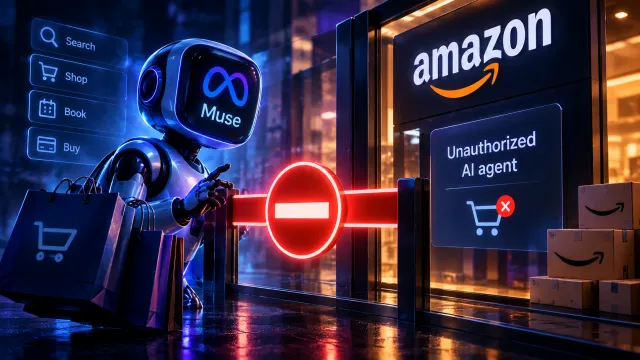
That adoption has triggered scrutiny of how shopping agents access retailer sites. Amazon has blocked Muse, while Meta has been building connections with retailers and commerce tools. The important distinction is between a shopping agent being activated, being used to research products and actually generating a completed, attributable sale for a merchant.
Why a small team cares
Imagine a small Shopify shop selling specialist cycling accessories. A shopper might ask an assistant to compare rain jackets by waterproof rating, size, delivery date and price. If the product record is incomplete or shipping terms contradict the checkout, the assistant may produce a bad recommendation or fail before an order.
Clean product data already matters for conventional search, merchant feeds and marketplaces. Agent shopping adds another potential consumer of the same information. That makes catalog maintenance a sensible operating priority without creating a separate AI-optimization project.
The real commercial metric remains incremental contribution margin from completed purchases. Even if a shopping agent introduces new buyers, agent fees, returns, misselected variants and customer support can erase the gain. No small retailer should equate Meta's user count with its own addressable sales volume.
Hype vs useful
Meta's adoption figures are company-reported. They show interest, not conversion rates or revenue for independent merchants. Recent reporting on businesses receiving only limited transactions from agents reinforces the need to distinguish the platform's growth from merchant outcomes.
Shopify integrations and agent-ready checkout paths may become useful distribution channels, but the economics and availability are still moving. I would not pay to optimize specifically for Muse before the store can identify the channel and its confirmed orders. Accurate stock, delivery information and returns policies have immediate value even if agent commerce remains small.