What actually happened
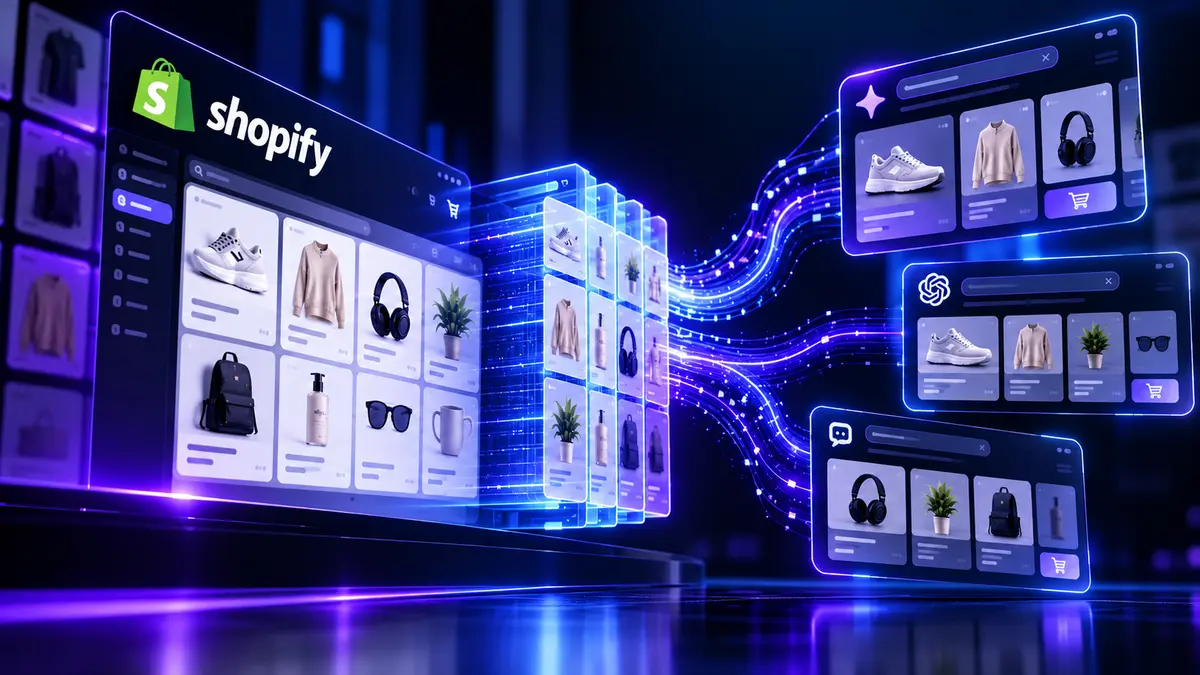
Shopify announced on 13 October 2026 that it is opening shopping through its Shop account system to a broader range of independently configured AI agents. According to The Verge, an agent will be able to search a catalog of more than one billion listings, help select products and take a shopper toward checkout without negotiating an individual integration partnership with Shopify.
The customer connects the agent to their Shop account. Shop Pay handles checkout, and the customer must approve each purchase. The catalog includes listings both on and outside Shopify storefronts. This is a new route into shopping, not a guarantee that every merchant's products will appear in every agent or that every agent can complete a purchase immediately.
The commercial shift is straightforward: product selection may happen before anyone lands on a merchant's website. The information an agent can interpret becomes part of the storefront, even if the buyer never sees the storefront itself.
Why a small team cares
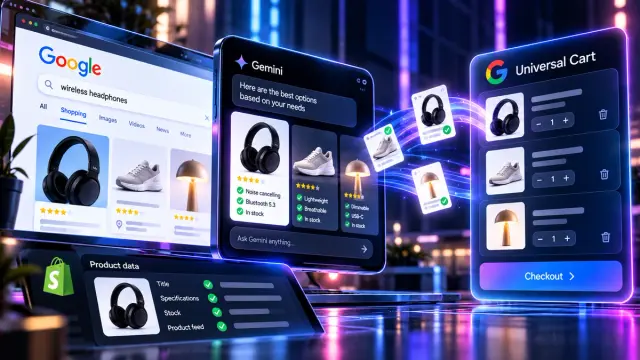
Consider a small Shopify retailer selling running accessories. A shopper tells an AI assistant: I need a lightweight hydration belt for a half-marathon, under €45, delivered before Friday. An agent could compare available products using price, size, capacity, delivery information and other structured details, then prepare a suitable purchase.
That retailer has a chance to win an order from someone who has never searched for its brand. But the offer must be legible to the agent. If capacity is buried in a promotional paragraph, color variants are mislabeled or the shipping estimate is vague, a relevant product may be skipped in favor of a competitor with cleaner data.
This is a familiar ecommerce discipline with a new distribution consequence. Product titles, variant attributes, inventory, prices, shipping expectations and return terms already affect conventional shopping feeds and conversions. Agent-mediated discovery makes the cost of incomplete information more visible.
There is a measurement problem too. A purchase initiated within an assistant may not produce the familiar sequence of campaign click, product page and checkout session. Merchants should distinguish orders attributable to a documented agent channel from conventional referrals and direct visits, without assuming every unexplained order came from AI.
Hype vs useful
A billion listings sounds like an instant new customer acquisition channel, but catalog size says nothing about qualified reach for an individual store. Shopify has announced infrastructure that can make agent shopping easier; it has not established incremental revenue or a dependable acquisition cost for small merchants.
The claim that customers can buy without visiting a website is directionally plausible for supported flows, but the experience still depends on the agent, the customer's account connection and the checkout path. Customer approval remains part of the purchase.
I would treat catalog hygiene as the worthwhile investment, not an excuse to buy another AI-commerce platform. Better product information supports existing search, shopping feeds, customer support and conversion rates today. If AI-agent sales become meaningful, that same work gives the store a stronger starting position.
The metric worth watching is profitable incremental orders, including product margin, returns and fulfillment costs. Agent visibility by itself is not a business result.